
The short answer
A heat pump is a good fit for most Hialeah homes because it cools for most of the year and also gives efficient heat on the occasional cool day, all in one system. The keys to a good installation are a proper load calculation, solid humidity control, and an outdoor unit placed and secured with storm season in mind.
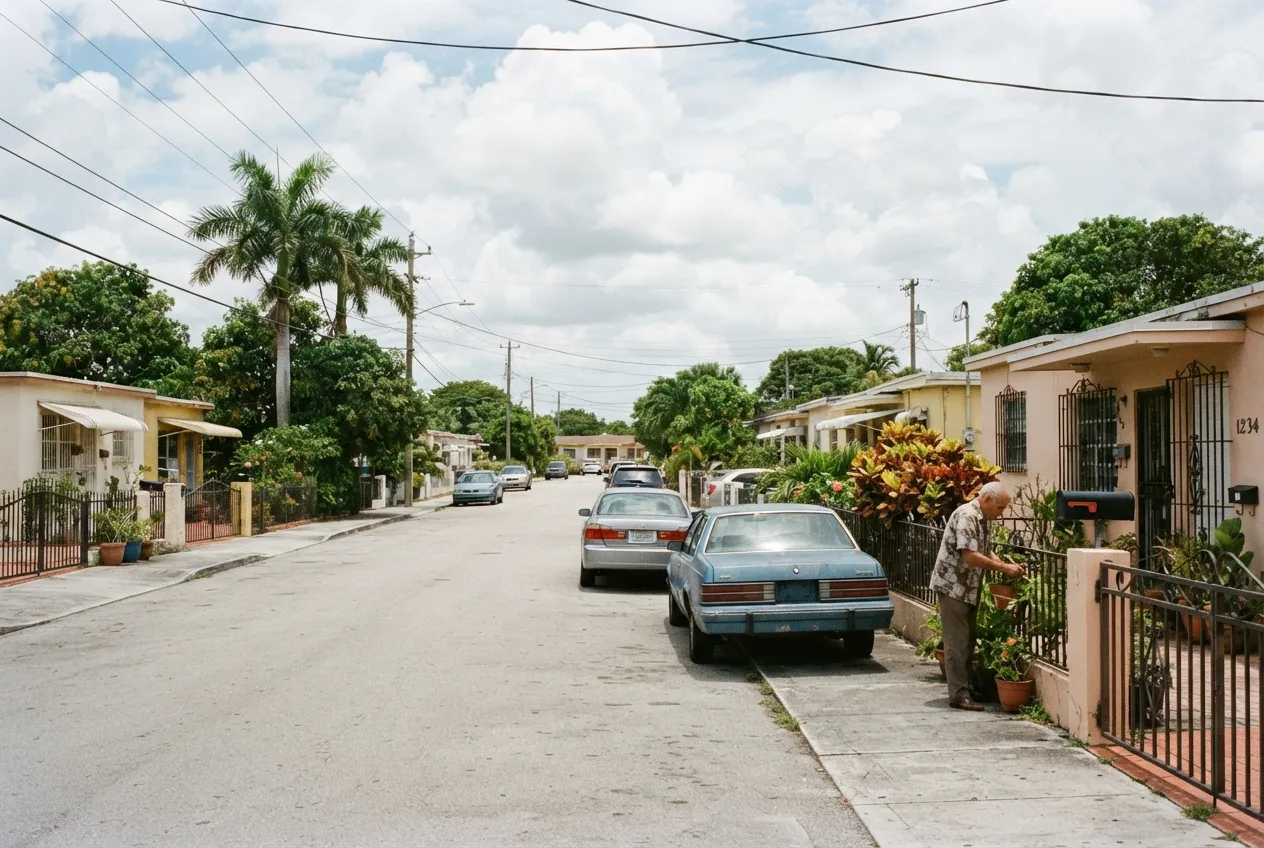
In Hialeah, a heat pump does most of its work as an air conditioner. It handles humidity and cooling for most of the year, then reverses on the few cool mornings to give your home gentle heat. AirVantage Heating & Cooling installs heat pumps in homes across Hialeah, including ZIP codes 33010, 33012, 33013, and 33016. We work from our base in Miami, about 8 miles southeast. This page covers what matters for a Hialeah installation: sizing a system for long cooling seasons, choosing equipment that controls humidity, placing outdoor units with storms in mind, and checking which incentives still apply.
Why a Heat Pump Makes Sense for a Hialeah Home
Across the Miami area, May through October is the wet season, with frequent afternoon thunderstorms and heavy humidity. November through April is sunnier and drier, but air conditioning still runs for most of the year. Your equipment spends far more hours cooling than heating, so cooling efficiency and moisture removal matter most.
A heat pump uses the same refrigeration cycle as a central air conditioner. It also has a reversing valve that moves heat into the house when you need it. For a Hialeah home, that means one system covers both jobs. You don't need a separate furnace or electric heat strips doing the heavy lifting on a chilly January night.
Sizing and Equipment Choices for Local Homes
Many Hialeah homes are concrete block single-family houses, often with additions, enclosed porches, or converted garages added over the years. Those changes affect how much cooling a home needs. Matching the tonnage on the old unit isn't enough. We do a room-by-room load calculation that looks at square footage, windows, insulation, shading, and how your household actually uses the space.
An oversized system cools the air quickly but shuts off before it pulls out enough moisture. That leaves rooms feeling clammy and can encourage mildew. In a humid climate, a correctly sized system, or a variable-speed system that runs longer at lower output, usually feels more comfortable.
- Variable-speed or two-stage compressors for steadier temperatures and better dehumidification
- Matched indoor air handlers, so the system performs at its rated efficiency
- Thermostats with humidity settings, where your equipment supports them
- Ductwork inspection for leaks, crushed runs, or undersized returns before the new system goes in
Planning Around Storm Season
The Atlantic hurricane season runs from June 1 to November 30. That affects both when and how we install. The outdoor condenser sits outside year-round, so we pay attention to the pad, the tie-downs, and how the unit is positioned relative to walls, fences, and drainage.
If your schedule allows, installing in the drier months can mean fewer weather delays. If your current system fails in the middle of summer, we still work to get you cooling again as soon as possible. Heavy afternoon rain can occasionally shift outdoor work to another part of the day.
Rebates and Tax Credits: What Applies Now
Florida Power & Light runs a Residential HVAC program that offers rebates on qualifying high-efficiency central air conditioners and heat pumps. The rebates are delivered through participating contractors at the time of installation. Program terms can change, so we confirm the current requirements before we include anything in your quote.
The federal Energy Efficient Home Improvement Credit (25C) used to cover qualifying heat pumps, but it only applied to systems placed in service before December 31, 2025. It isn't available for new installations after that date. Plan your budget without counting on that credit.
What to Expect on Installation Day
Most replacements start with removing the old equipment and recovering its refrigerant properly. Then we set the new outdoor unit and air handler, connect the refrigerant lines, the electrical, and the condensate drain, and charge the system to the manufacturer's specifications.
Before we leave, we test cooling and heating modes, check airflow and temperatures at the vents, and confirm the condensate drain is flowing. That drain matters in Hialeah's humidity. We also walk you through the thermostat and show you where the filter goes and how often to check it.
Serving Hialeah and Nearby Communities
Along with Hialeah, we install heat pumps in Medley, Miami Springs, Opa-locka, Doral, and West Miami, as well as other parts of Miami-Dade County. If you're unsure whether your home is in our area, just ask when you contact us.